The Role of Kaolin in Modern Manufacturing Processes
- Rio Marketing
- Mar 2
- 4 min read

Kaolin, a naturally occurring clay mineral, has become an essential component in various manufacturing processes. Its unique properties make it invaluable across multiple industries, from ceramics to paper and even pharmaceuticals. Understanding the role of kaolin can help businesses optimize their production processes and improve product quality. In this blog post, we will explore the significance of kaolin in modern manufacturing, its applications, and the benefits it offers.
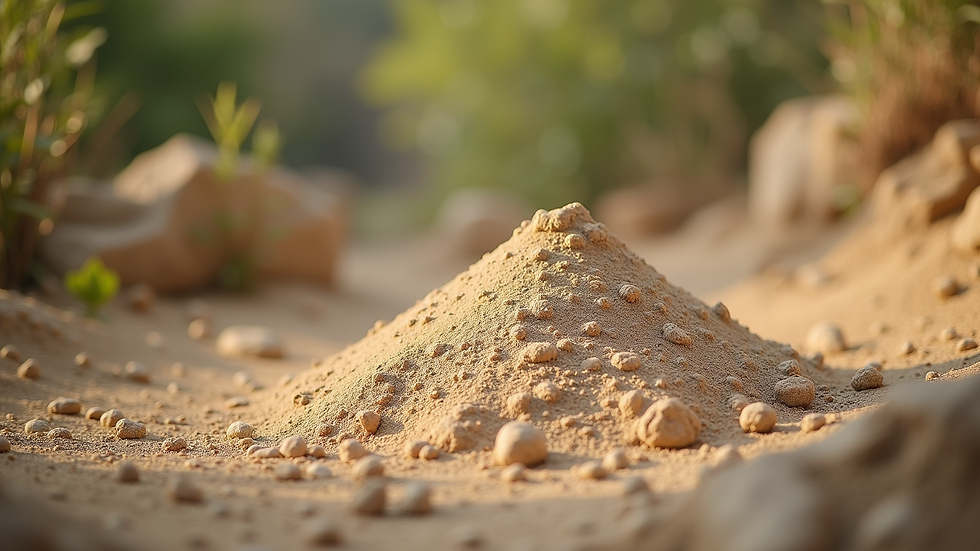
What is Kaolin?
Kaolin, also known as china clay, is a white, soft clay primarily composed of the mineral kaolinite. It is formed through the weathering of feldspar and is characterized by its fine particle size, high brightness, and excellent plasticity. These properties make kaolin suitable for various applications, particularly in industries that require high-quality materials.
Properties of Kaolin
The unique properties of kaolin contribute to its versatility in manufacturing:
High Purity: Kaolin is typically free from impurities, which is crucial for applications requiring high-quality standards.
Fine Particle Size: The small particle size enhances its ability to disperse in liquids, making it ideal for coatings and fillers.
Plasticity: Kaolin can be easily molded and shaped when wet, making it suitable for ceramics and pottery.
Brightness: Its high whiteness level is essential for applications in paper and paint industries.
Applications of Kaolin in Manufacturing
Kaolin is utilized in various manufacturing processes, each benefiting from its unique properties. Here are some key applications:
1. Ceramics
In the ceramics industry, kaolin is a critical ingredient in the production of porcelain, stoneware, and earthenware. Its plasticity allows for easy shaping, while its high firing temperature ensures durability. Kaolin enhances the whiteness and translucency of ceramic products, making them more aesthetically appealing.
2. Paper
Kaolin is widely used as a filler and coating pigment in the paper industry. It improves the brightness, opacity, and smoothness of paper products. By incorporating kaolin, manufacturers can produce high-quality printing paper that enhances ink absorption and reduces the risk of bleed-through.
3. Paints and Coatings
In paints and coatings, kaolin serves as a functional filler that enhances the performance of the final product. It improves viscosity, reduces settling, and provides a smooth finish. Additionally, kaolin's high brightness contributes to the overall color quality of paints.
4. Plastics
Kaolin is used as a filler in plastic manufacturing to improve mechanical properties and reduce production costs. It enhances the strength and stiffness of plastic products while maintaining a lightweight profile. This makes kaolin an attractive option for manufacturers looking to optimize their material usage.
5. Pharmaceuticals
In the pharmaceutical industry, kaolin is utilized as an excipient in drug formulations. Its absorbent properties make it effective in controlling the release of active ingredients. Additionally, kaolin is used in some medical applications, such as treating diarrhea and as an anti-caking agent in powdered medications.
Benefits of Using Kaolin
Incorporating kaolin into manufacturing processes offers several advantages:
Cost-Effectiveness
Using kaolin as a filler can significantly reduce production costs. Its low price compared to other materials makes it an attractive option for manufacturers looking to maintain quality while minimizing expenses.
Environmental Sustainability
Kaolin is a naturally occurring mineral, making it an environmentally friendly choice. Its extraction and processing have a lower environmental impact compared to synthetic alternatives. Additionally, kaolin can be sourced locally, reducing transportation emissions.
Improved Product Quality
Kaolin enhances the quality of end products by improving their physical properties. For example, in ceramics, kaolin contributes to better strength and durability. In paper, it enhances brightness and smoothness, leading to superior print quality.
Versatility
The wide range of applications for kaolin makes it a versatile material in manufacturing. Its ability to adapt to different processes and industries allows manufacturers to explore new opportunities and innovate their product offerings.
Challenges in Kaolin Production
While kaolin has numerous benefits, there are challenges associated with its production:
Quality Control
Maintaining consistent quality in kaolin production can be challenging. Variations in mineral composition and impurities can affect the final product's performance. Manufacturers must implement strict quality control measures to ensure uniformity.
Environmental Concerns
Although kaolin is more environmentally friendly than synthetic alternatives, its extraction can still have ecological impacts. Responsible mining practices and rehabilitation of mined areas are essential to minimize environmental damage.
Market Competition
The kaolin market is competitive, with various suppliers offering similar products. Manufacturers must differentiate their offerings through quality, customer service, and innovative applications to remain competitive.
Future Trends in Kaolin Usage
As industries evolve, so does the role of kaolin in manufacturing. Here are some emerging trends:
Increased Demand for Eco-Friendly Products
With a growing emphasis on sustainability, manufacturers are seeking eco-friendly materials. Kaolin's natural origin positions it well in this trend, as more companies look to reduce their environmental footprint.
Advancements in Processing Techniques
Innovations in processing techniques are enhancing the quality and functionality of kaolin. New methods of refining and modifying kaolin can lead to improved performance in various applications.
Expansion into New Markets
As industries continue to innovate, there is potential for kaolin to enter new markets. For example, its use in advanced materials and composites is gaining traction, offering exciting opportunities for manufacturers.
Conclusion
Kaolin plays a vital role in modern manufacturing processes, offering numerous benefits across various industries. Its unique properties make it an essential ingredient in ceramics, paper, paints, plastics, and pharmaceuticals. By understanding the significance of kaolin, manufacturers can optimize their production processes, improve product quality, and explore new opportunities for growth. As the demand for sustainable and high-quality materials continues to rise, kaolin's relevance in manufacturing will only increase. Embracing this versatile mineral can lead to innovative solutions and a competitive edge in the market.


Comments